How to Determine the Quality of Silicone? | A Classification of Silicone Types from a Human Health Perspective
From the perspective of using silicone products, those made from non-toxic, odorless silicone materials that are harmless to the human body are considered high-quality. In industrial terms, this type of silicone is called addition-cure silicone, platinum-cured silicone, or food-grade silicone.
Currently, there are two types of liquid silicone on the market. One is the first type to appear in the silicone industry—condensation-cure silicone (an industrial silicone catalyzed by organotin). The other is addition-cure silicone (platinum-cured), which was developed in recent years due to increasingly strict national environmental standards. Different types of silicone are used for different products. If industrial-grade silicone is used in applications intended for addition-cure silicone, it will be harmful to the human body. So, how can one differentiate between industrial-grade silicone and addition-cure silicone?
1. Distinction by Application Area:
- Industrial-grade silicone is generally used in the glass industry, mold making, plaster crafts, plastic toys, decorative furniture, building decoration, resin crafts, unsaturated resin crafts, candle crafts, and plaster cornices, among others.
- Addition-cure silicone is typically used for applications such as cake molds, silicone gaskets, and medical-grade and food-grade products like medical tubing, drinking water tubes, body fluid drainage tubes, adult products, and precision model making.
2. Distinction by Performance and Surface Characteristics:
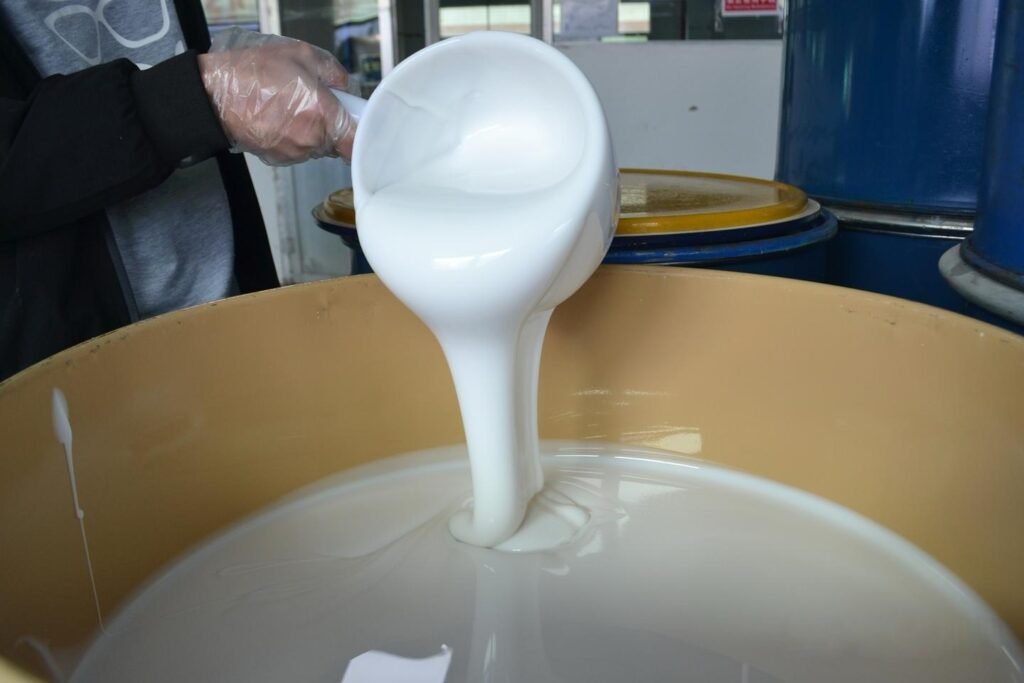
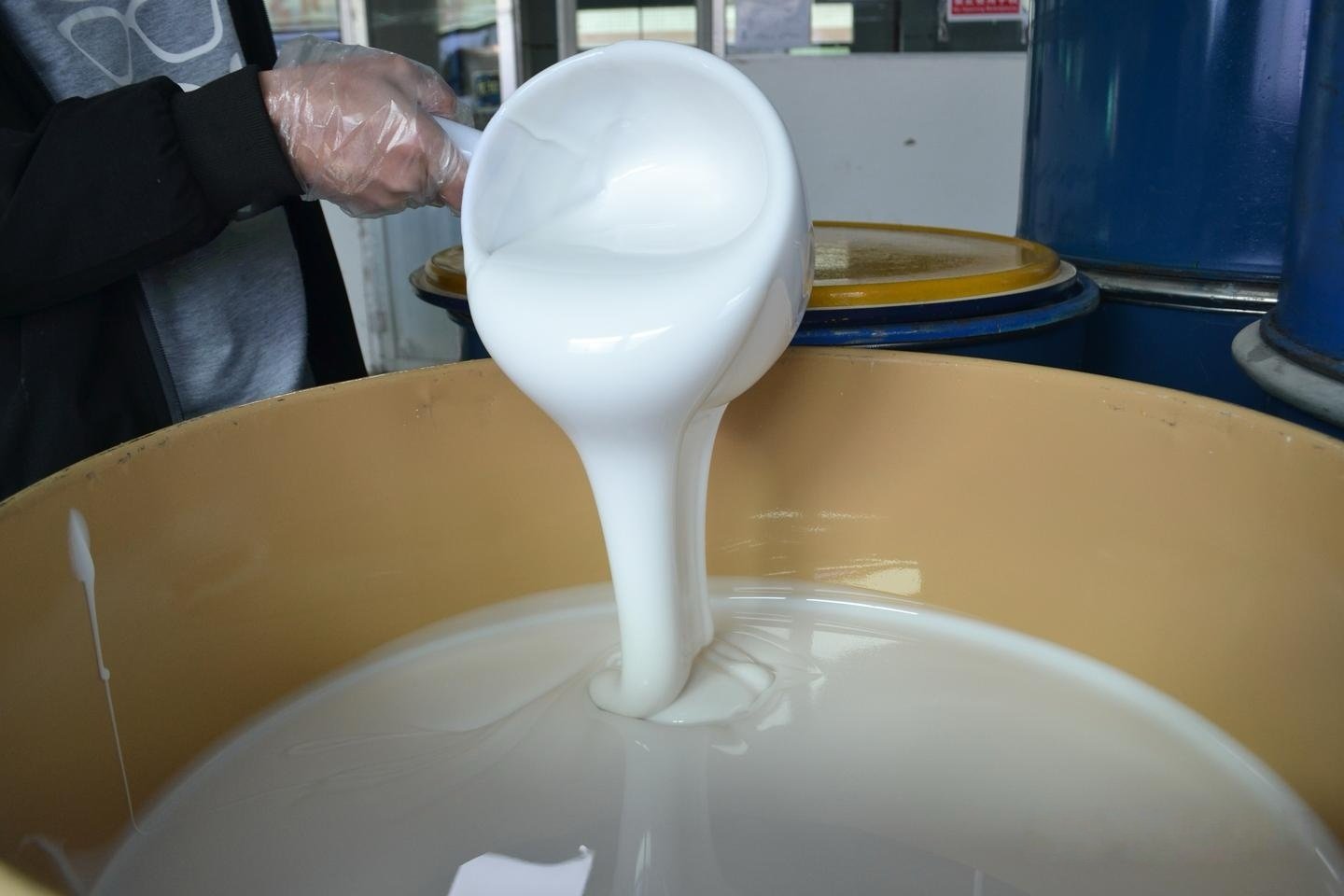
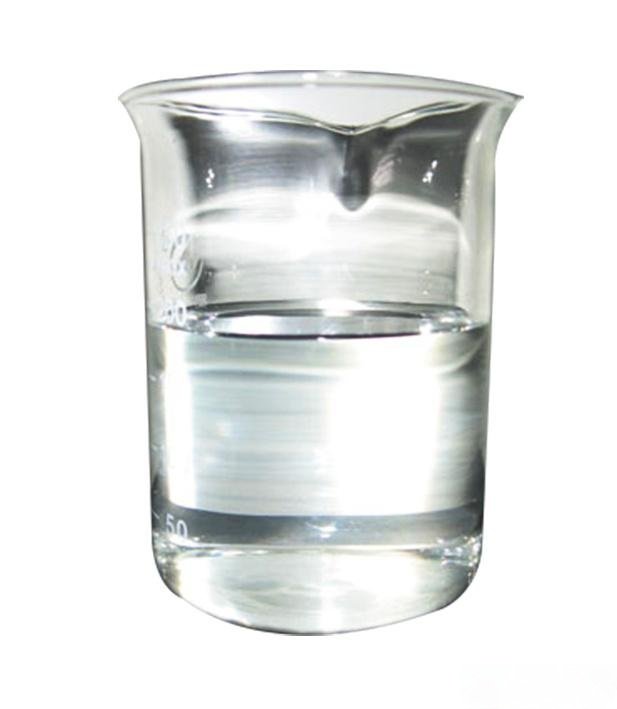
- A. The processing technology and curing time for industrial-grade silicone are not as stringent as for addition-cure silicone. Therefore, its high-temperature resistance is not as good as that of addition-cure silicone (-50°C to 250°C), generally around 180°C. Above 180°C, the performance of the silicone will be significantly affected. Secondly, because it uses an organotin catalyst, the resulting products will initially have a strong odor. In contrast, addition-cure silicone uses a platinum catalyst and is odorless (this can be identified by smelling it). Thirdly, industrial-grade silicone is generally white or semi-translucent, whereas addition-cure silicone is not produced in white and is typically a clearer semi-translucent or transparent material. Over time, if products made from industrial-grade silicone are not well-maintained, they can oxidize and turn yellow or develop dark patterns. Addition-cure silicone is more stable and will not exhibit these issues.